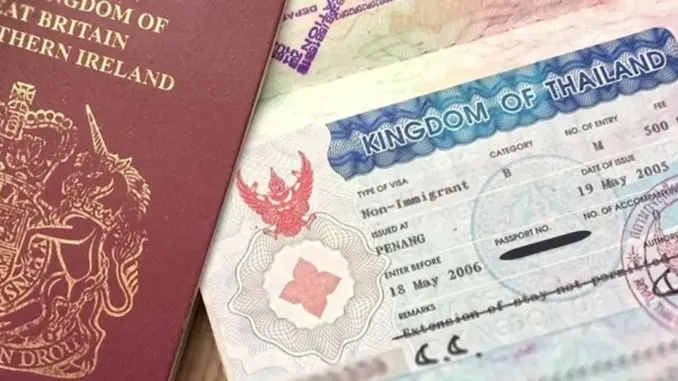
Thailand has officially announced key changes to its entry policy for global tourists, shifting the maximum visa-free stay from 60 days down to 30 days starting September 15, 2026. This major regulatory update, recently published in the Royal Gazette, impacts travellers from over 60 countries and territories—including the United States, the United Kingdom, European Union nations, and India.
As Bangkok continues to serve as one of the world’s premier urban travel hubs, the adjustment marks a strategic shift in how the Thai government balances tourism expansion with border security and immigration management.
Why Is Thailand Changing Its Visa Policy?
During the post-pandemic recovery era, Thailand introduced generous 60-day visa exemption rules to re-stimulate its vital tourism sector. While the initiative successfully drove millions of visitors to Bangkok, Phuket, and Chiang Mai, officials noted growing challenges related to visa system abuse, illegal employment, and foreign crime syndicates.
According to the Ministry of Foreign Affairs, the foreign ministry’s consular department confirmed that trimming the initial entry period back to 30 days allows authorities to maintain tight control over immigration while preserving an open-door policy for genuine vacationers.
Key Rules Impacting Tourists from September 15
For standard tourists visiting Bangkok for short holidays, the new framework brings manageable shifts rather than major roadblocks:
-
30-Day Limit for Most Nations: Visitors holding eligible passports who previously received a 60-day stamp upon arrival will now be granted 30 days.
-
One-Time Extension Option: Tourists wishing to stay longer than a month in Bangkok or explore northern Thailand can still request a single 30-day extension via local immigration offices, subject to approval.
-
Land-Border Entry Cap: Travellers entering Thailand via overland checkpoints are restricted to a maximum of two visa-exempt entries per calendar year to curb illegal “visa runs”. Air arrivals are not subject to this specific cap.
-
Existing Stay Protection: Travellers who enter Thailand prior to September 15 will retain their original 60-day permitted stay.
How Bangkok’s Tourism Industry Is Preparing
Bangkok remains an energetic centre for digital nomads, luxury travellers, and backpackers alike. While short-term visitors averaging 7 to 10 days will see no operational difference, long-term visitors and remote workers are being advised to plan ahead or apply for long-stay visas like the Destination Thailand Visa (DTV).
The Tourism Authority of Thailand (TAT) has expressed confidence that the updated framework will streamline entry operations at Suvarnabhumi and Don Mueang airports while enhancing overall visitor safety.
Final Checklist for Travellers
If you are planning a trip to Bangkok this autumn, verify your entry status before booking:
-
Ensure your passport has at least 6 months of remaining validity.
-
Prepare proof of onwards flight tickets and sufficient living funds if requested at immigration.
-
Check whether your country qualifies for the 30-day exemption or requires a traditional visa prior to departure.
Thailand’s vibrant night markets, historic temples, and world-class cuisine remain as welcoming as ever, but staying informed on these entry updates will ensure a seamless journey to the capital.
Leave a Reply